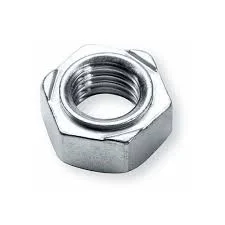
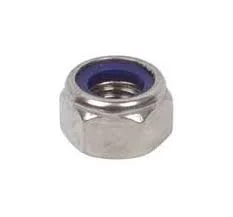
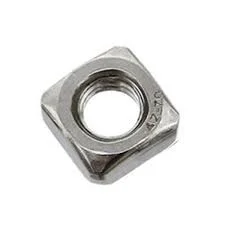
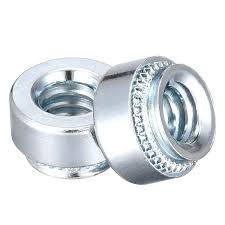
In the fastening industry, nuts are internally threaded components designed to work in tandem with bolts, screws, or studs to create a secure joint. Choosing the right nut is critical for ensuring structural integrity, especially in environments involving high vibration, extreme temperatures, or corrosive chemicals.
1. Common Types of Industrial Nuts
The geometry and design of a nut determine its load distribution and how easily it can be installed.
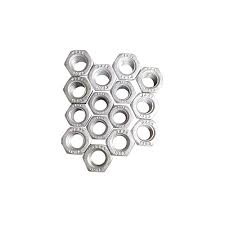
Hex Nuts: The industry standard. Its six-sided shape offers a good balance of torque angles for wrenches.
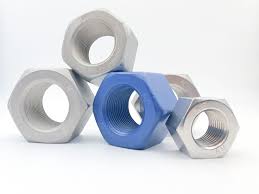
Heavy Hex Nuts: Thicker and wider than standard hex nuts, used for heavy-duty structural applications (e.g., bridges and buildings).
Square Nuts: Common in older machinery and electrical applications; they offer a greater surface contact area to prevent loosening.
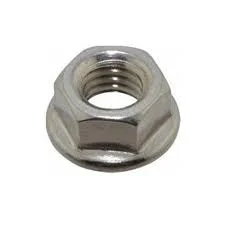
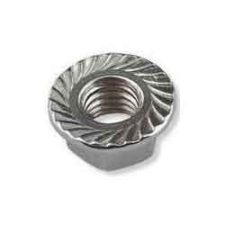
Flange Nuts: Feature a built-in, wide circular base that acts as an integrated washer. This distributes pressure and helps secure uneven surfaces.
Coupling Nuts: Long, cylindrical nuts used to connect two threaded rods end-to-end.
2. Specialized & Locking Nuts
In high-vibration environments like automotive or aerospace, standard nuts can vibrate loose. Specialized designs prevent this.
| Nut Type | Mechanism | Best Use Case |
| Nylon Insert (Nyloc) | A nylon collar “grips” the bolt threads to create friction. | General machinery, automotive. |
| Castle / Slotted Nut | Has slots for a cotter pin to pass through a hole in the bolt. | Critical safety joints (axles, steering). |
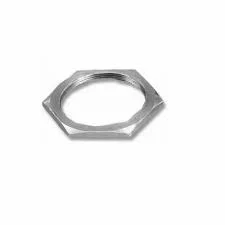
| Jam Nut | A low-profile nut tightened against a standard nut to “jam” it. | Tight spaces or as a secondary lock. |
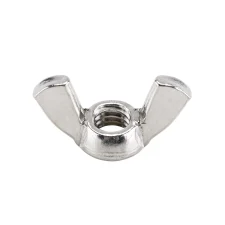
| Wing Nut | Features two “wings” for hand-tightening without tools. | Temporary fixtures, drum kits, furniture. |
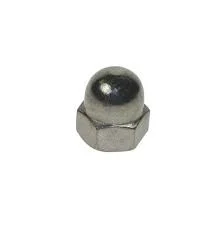
| Cap / Acorn Nut | A dome-shaped head that covers the end of the bolt. | Safety (prevents snags) and aesthetics. |