Certificate 1 Certificate 2 Certificate 3

RIVETS

In industrial fastening, rivets are permanent mechanical fasteners. Once installed, they provide a high-shear strength connection that is much more resistant to vibration than screws or bolts because they do not have threads that can “back out.”

How a Rivet Works

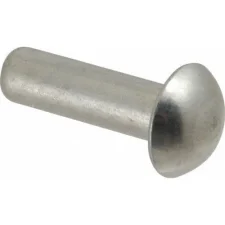
A rivet consists of a smooth cylindrical shaft with a head on one end. The opposite end is called the tail. Upon installation, the tail is upset (deformed) by mechanical force, creating a “shop head” that permanently clinches the materials together.


Common Industrial Rivet Types

Rivet selection is typically based on access to the joint and the required strength.

Rivet TypeKey FeaturePrimary Application
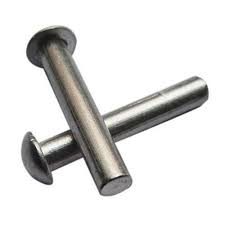
Solid RivetsThe strongest type; requires access to both sides.Aerospace (Aircraft skins), bridge construction, and structural steel.
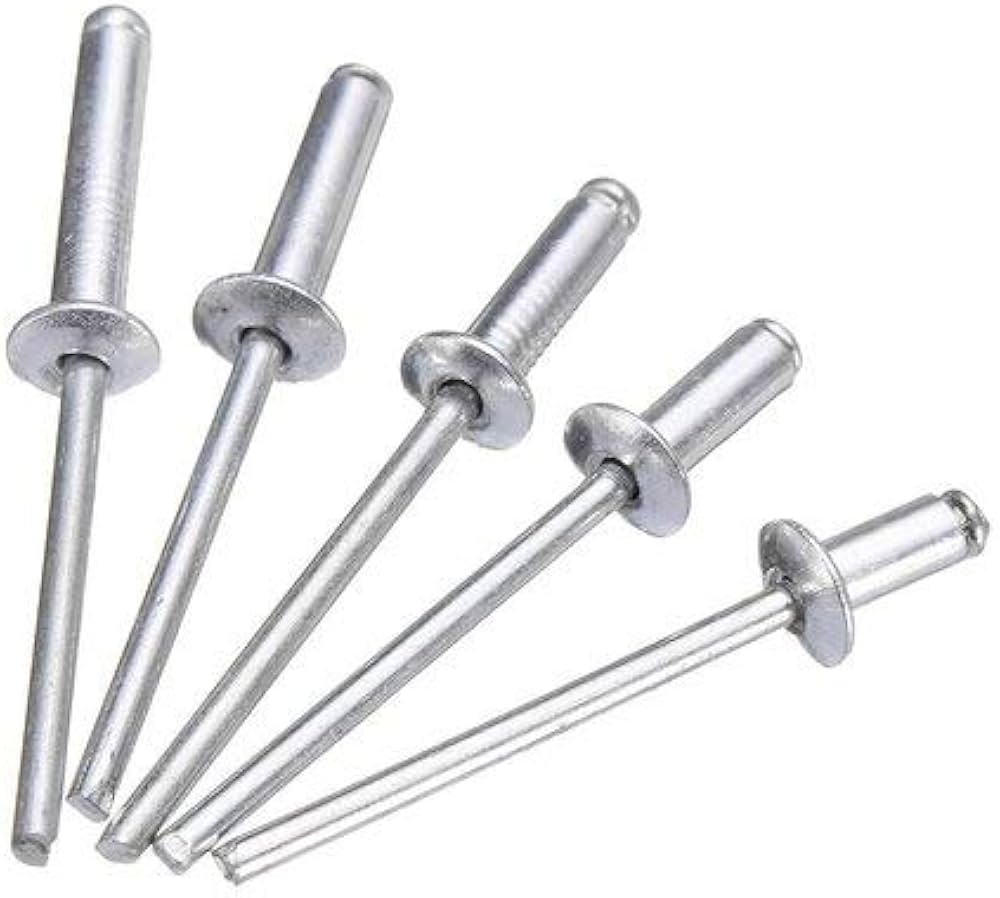
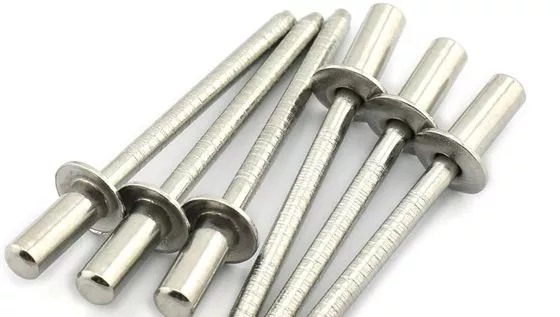
Blind (Pop) RivetsCan be installed when only one side of the material is accessible.HVAC ducting, sheet metal assembly, and electronics.
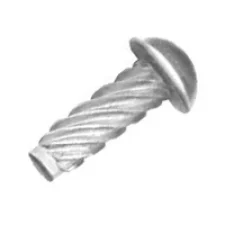
Drive RivetsInstalled by hitting a center pin with a hammer to flare the shank.Masonry, signage, and trailer body panels.
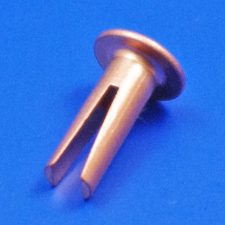
Split (Bifurcated)Saw-tooth ends that pierce through soft materials.Leatherwork, plastics, and soft wood.
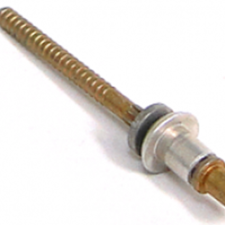
Structural Blind RivetsHigh-strength version of a pop rivet with a locking internal mandrel.Heavy truck bodies and railway cars.

Material Compatibility

To prevent galvanic corrosion (where one metal “eats” the other), the rivet material should ideally match the material being joined:

  • Aluminum Rivets: Lightweight and corrosion-resistant; used for aluminum sheets.

  • Steel Rivets: High strength; used in structural steel and automotive frames.

  • Stainless Steel: Used in food processing and marine environments for maximum hygiene and rust resistance.

  • Copper/Brass: Often used for electrical conductivity or decorative finishes.


Key Advantages of Riveting

  • Permanent Connection: Unlike bolts, they cannot be easily removed without drilling, making them tamper-resistant.

  • Vibration Resistance: Essential in aircraft and high-speed machinery where threaded fasteners might loosen over time.

  • Lightweight: Rivets generally weigh less than a bolt-and-nut combination of equivalent strength.

  • Automation: Blind rivets allow for extremely fast assembly on high-speed production lines.

We Specialize in Various Rivets Shapes and Sizes

Snap-Rivets
Snap Head Rivets
Pan-Head-Rivets
Pan Head Rivets
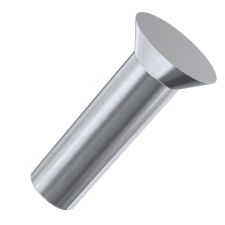
solid-countersunk-rivets
Countersunk Rivets
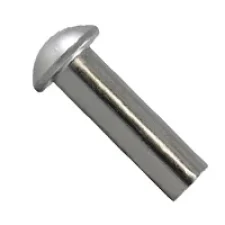
round-head-rivets
Round Counter Rivets
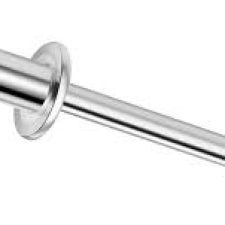
blind-rivets
Blind Rivets
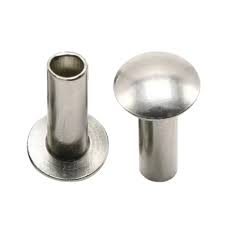
tubular-rivets
Tubular Rivets
split-rivet
Split Rivets
flush-rivets
Flush Rivets
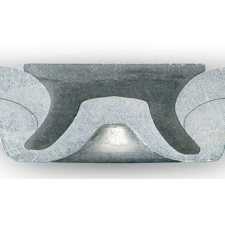
self-piercing-rivets
Self Piercing Rivets
Drive-Rivets
Drive Rivets
Cherry-Rivets
Cherry Rivets
stainless-steel-conical-rivets
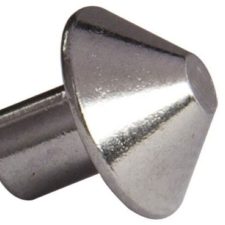
Conical Rivets