Certificate 1 Certificate 2 Certificate 3

BOLTS

In industrial applications, bolts are defined by their use with a nut and their ability to provide high-strength clamping force in pre-drilled holes. Unlike screws, which often create their own threads, bolts are engineered for structural integrity, reusability, and vibration resistance.

Key Industrial Bolt Types

Selecting the correct bolt type depends on the access available and the load requirements of the joint.

Bolt TypeKey FeaturePrimary Application
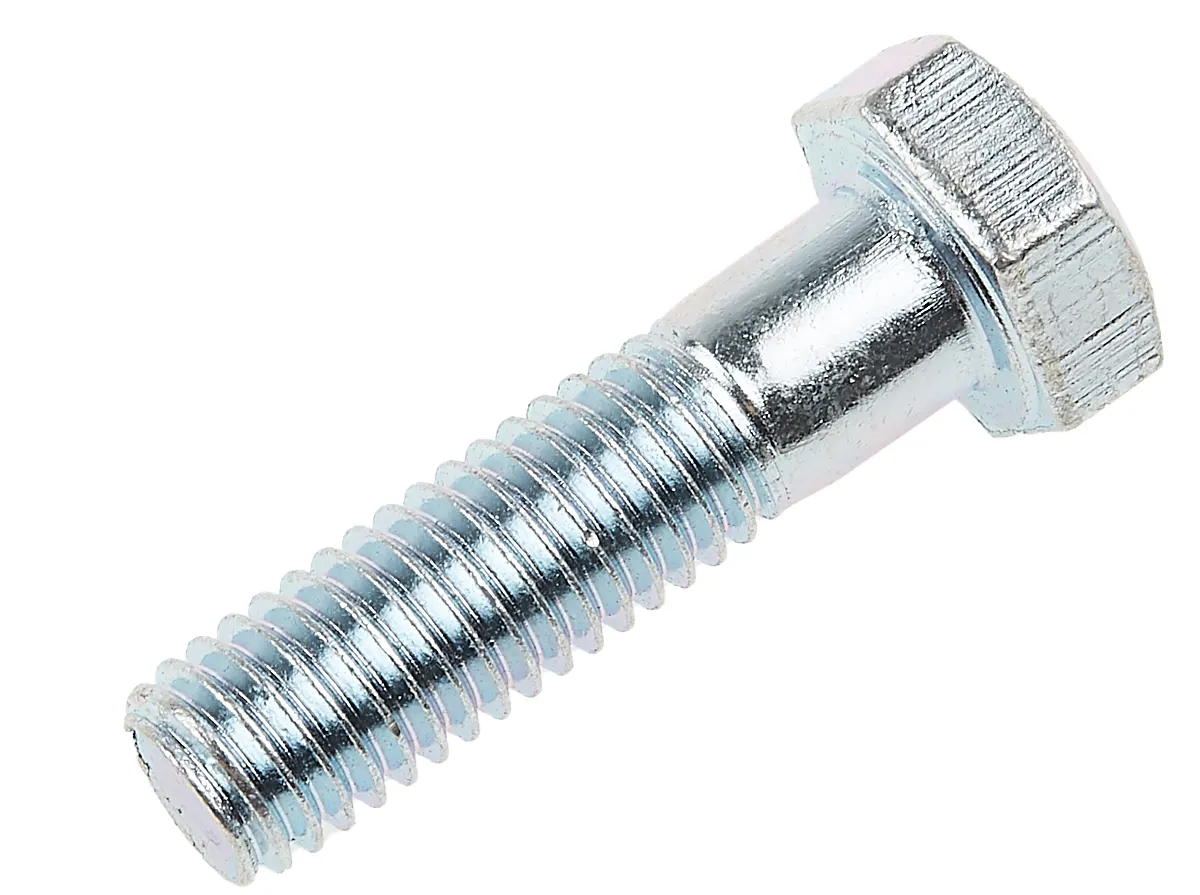
Hex BoltSix-sided head for wrench/socket grip.Structural steel, heavy machinery, automotive.
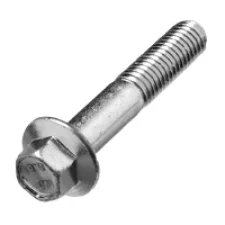
Flange BoltBuilt-in washer under the head.High-vibration areas (engines, transmissions).
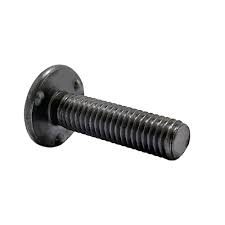
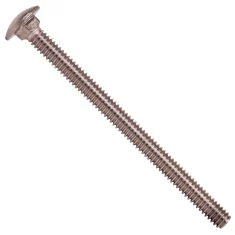
Carriage BoltSmooth round head with a square neck.Wood-to-metal, security fencing (cannot be loosened from the head side).
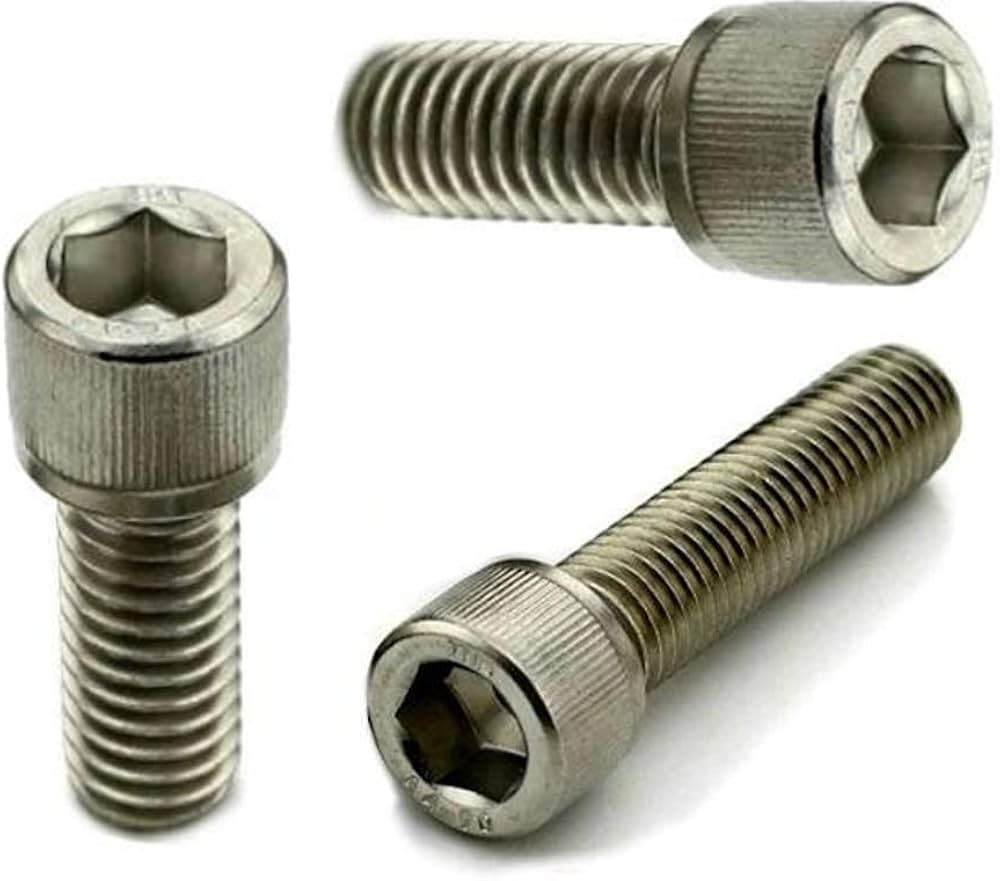
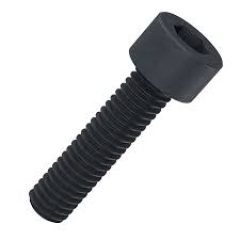
Socket Head (Allen)Internal hex drive for tight spaces.Precision tooling, aerospace, electronics.
U-BoltU-shaped with two threaded ends.Securing pipes, conduits, or leaf springs.
Stud BoltThreaded rod with no head; used with two nuts.Piping flanges and high-pressure valves.


Understanding Strength: Bolt Grades

Industrial bolts are marked on the head with symbols or numbers that indicate their mechanical strength. Using an underrated bolt can lead to catastrophic shear failure.

SAE (Imperial) – Radial Lines

  • Grade 2: No lines. Low carbon steel for non-structural use.

  • Grade 5: 3 radial lines. Medium strength; common in automotive.

  • Grade 8: 6 radial lines. High-strength alloy steel for heavy machinery.

ISO (Metric) – Numbers

  • Property Class 8.8: Medium strength (similar to Grade 5).

  • Property Class 10.9: High strength (similar to Grade 8).

  • Property Class 12.9: Highest strength; used in critical engine and structural components.


We Specialize in Various Bolts Shapes and Sizes

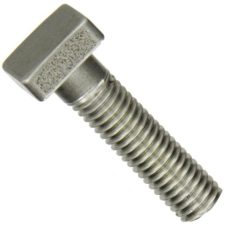
high-tensile-square-head-bolt
Square Bolts
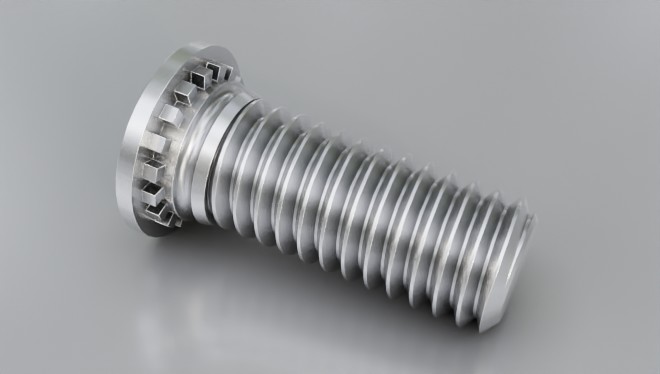
Weld-bolts
Weld Bolts
flange-bolts
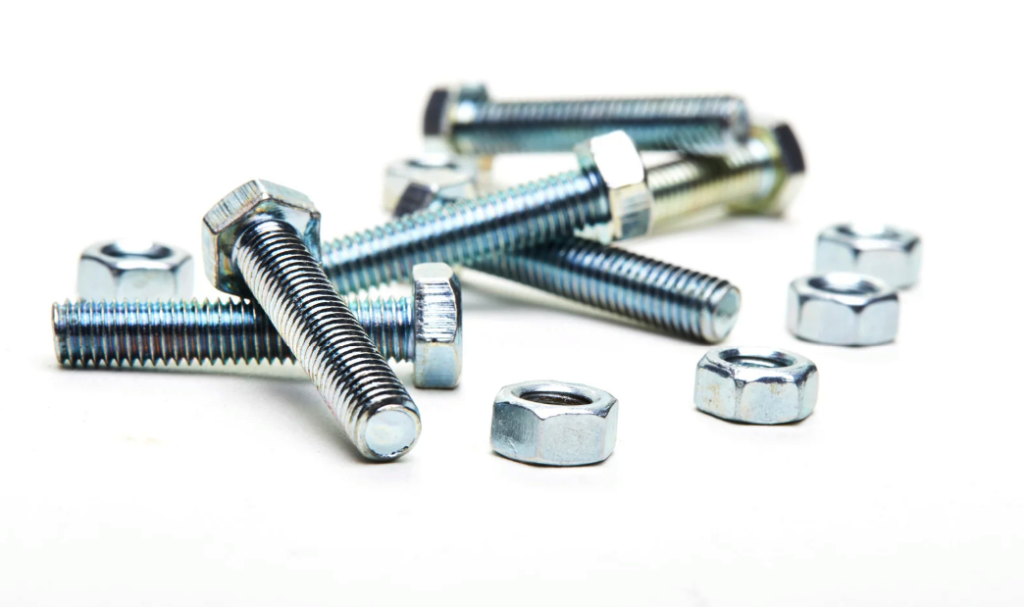
Hex Flange Bolts
Hex Bolts
Clinch Bolts
carriage-bolts
Carriage Bolts
socket-head-bolts
Socket Head Bolts