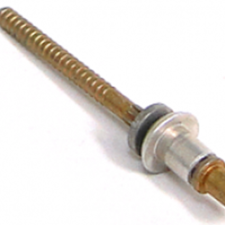
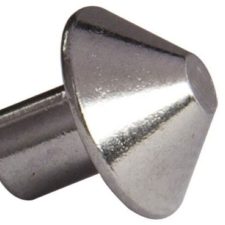
In industrial fastening, rivets are permanent mechanical fasteners. Once installed, they provide a high-shear strength connection that is much more resistant to vibration than screws or bolts because they do not have threads that can “back out.”
How a Rivet Works
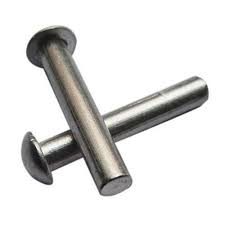
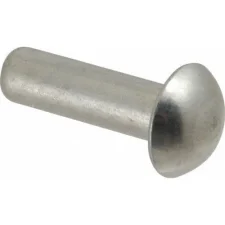
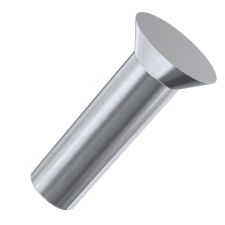
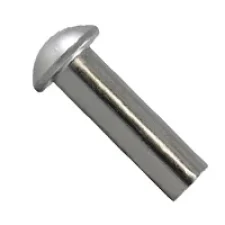
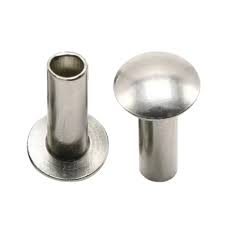
A rivet consists of a smooth cylindrical shaft with a head on one end. The opposite end is called the tail. Upon installation, the tail is upset (deformed) by mechanical force, creating a “shop head” that permanently clinches the materials together.
Common Industrial Rivet Types
Rivet selection is typically based on access to the joint and the required strength.
| Rivet Type | Key Feature | Primary Application |
| Solid Rivets | The strongest type; requires access to both sides. | Aerospace (Aircraft skins), bridge construction, and structural steel. |
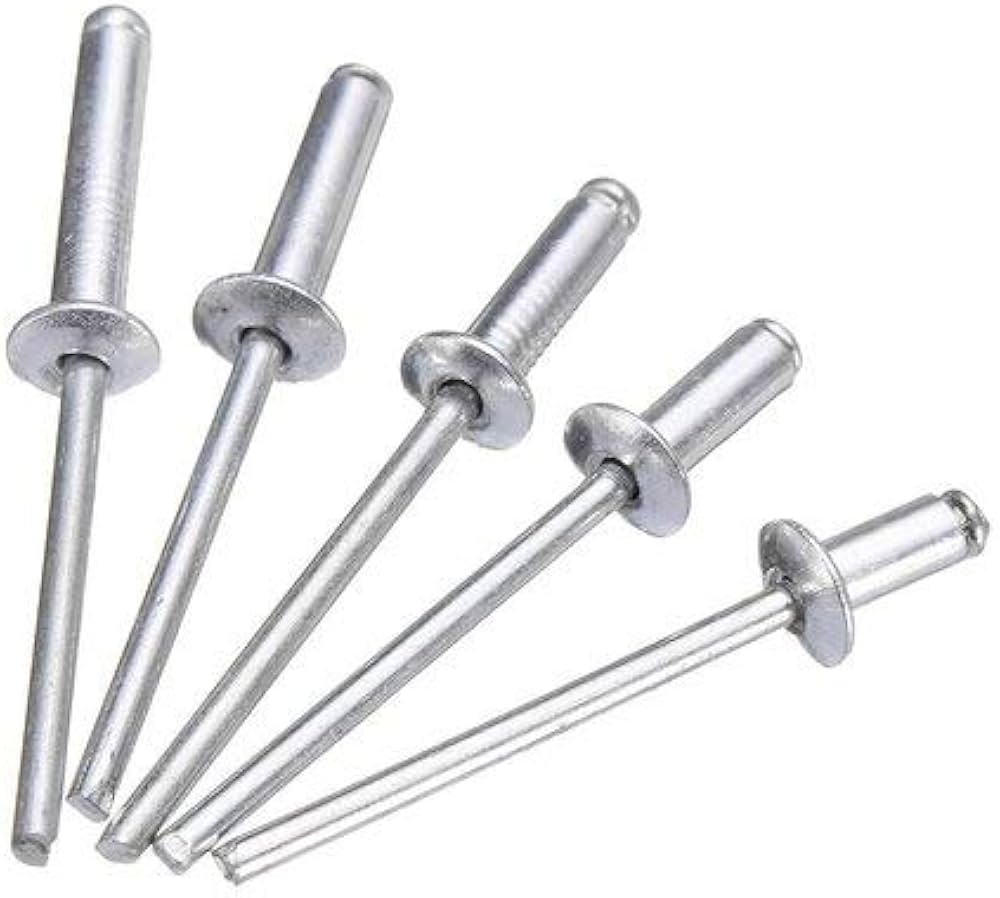
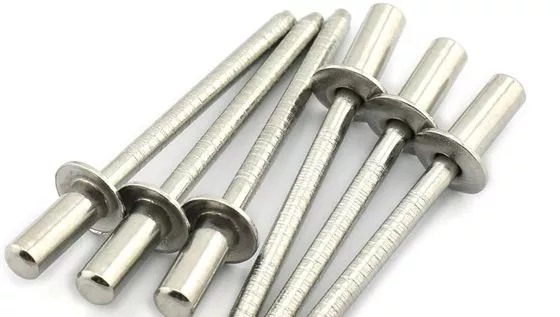
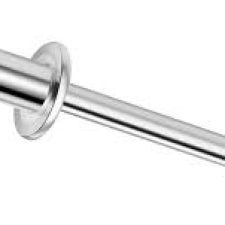
| Blind (Pop) Rivets | Can be installed when only one side of the material is accessible. | HVAC ducting, sheet metal assembly, and electronics. |
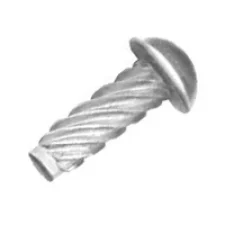
| Drive Rivets | Installed by hitting a center pin with a hammer to flare the shank. | Masonry, signage, and trailer body panels. |
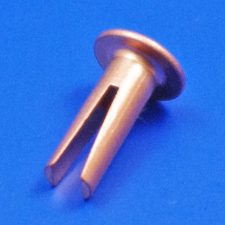
| Split (Bifurcated) | Saw-tooth ends that pierce through soft materials. | Leatherwork, plastics, and soft wood. |
| Structural Blind Rivets | High-strength version of a pop rivet with a locking internal mandrel. | Heavy truck bodies and railway cars. |