Common Types of Anchor Fasteners
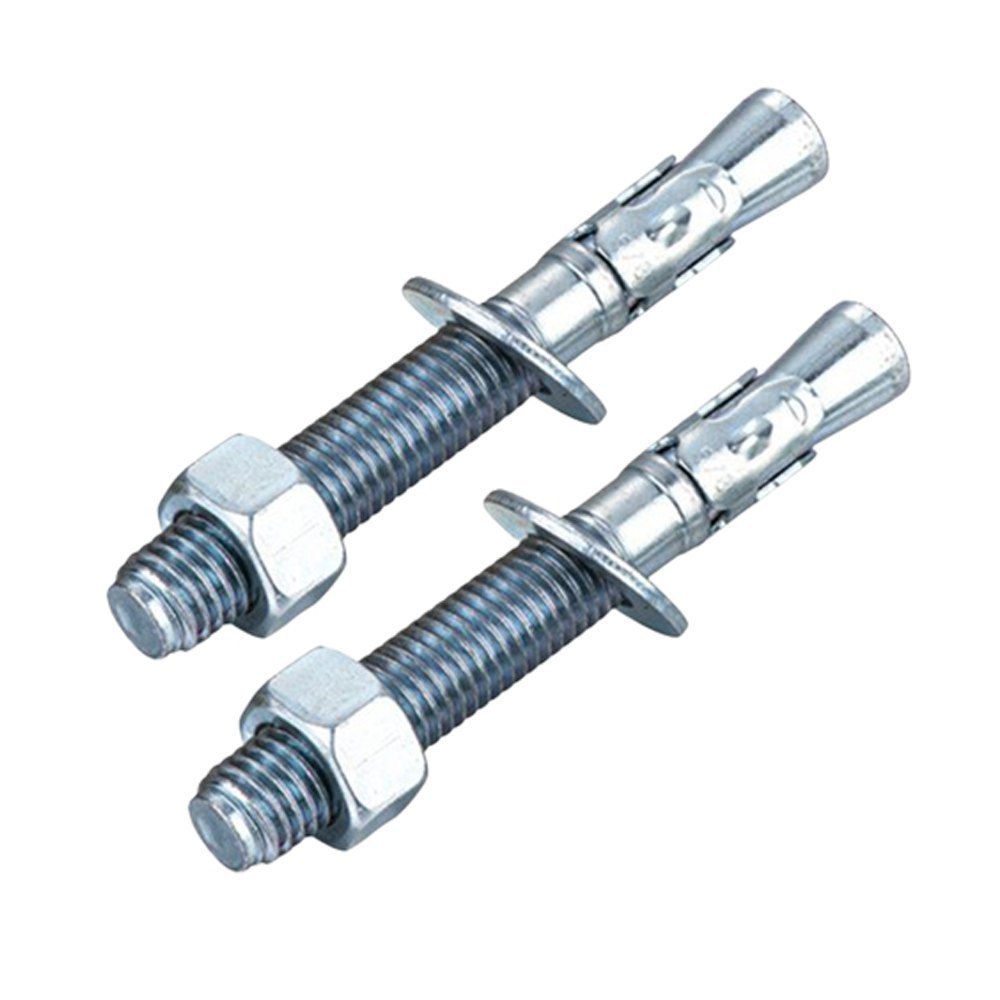
1. Wedge Anchors
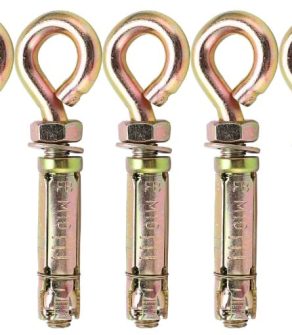
These are the most common mechanical anchors. They feature a threaded stud with a conical base and a small expansion clip. When the nut is tightened, the clip expands against the concrete.
2. Sleeve Anchors
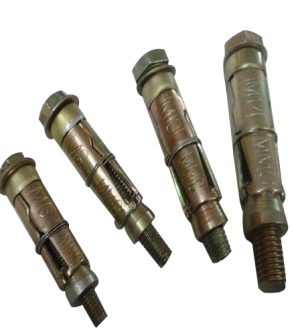
Similar to wedge anchors, but they have a metal sleeve that runs the full length of the bolt. They are more versatile than wedge anchors because they can work in hollow materials or softer masonry.
Best for: Brick, block, and concrete.
Use case: Mounting handrails or door frames.
3. Drop-In Anchors
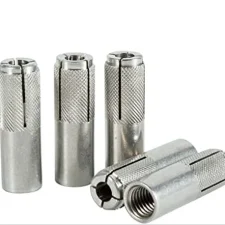
These are internally threaded female anchors. You “drop” them into a pre-drilled hole and use a setting tool to expand the bottom.
4. Chemical (Epoxy) Anchors
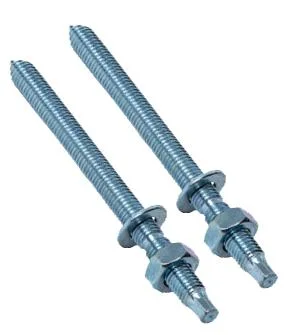
A hole is drilled and filled with a two-part resin/epoxy before a threaded rod is inserted. Once it cures, the rod is essentially fused to the concrete.
Best for: High-vibration environments or edge-of-slab installations.
Use case: Bridges, heavy industrial plants, or retrofitting rebar.
Quick Comparison Table
| Anchor Type | Base Material | Strength Level | Removability |
| Wedge | Solid Concrete | Very High | Permanent |
| Sleeve | Brick / Block | Medium-High | Difficult |
| Drop-In | Concrete | High | Bolt is removable |
| Chemical | All Masonry | Extreme | Permanent |